-
+251 96 744 6447, +004 74 001 6882
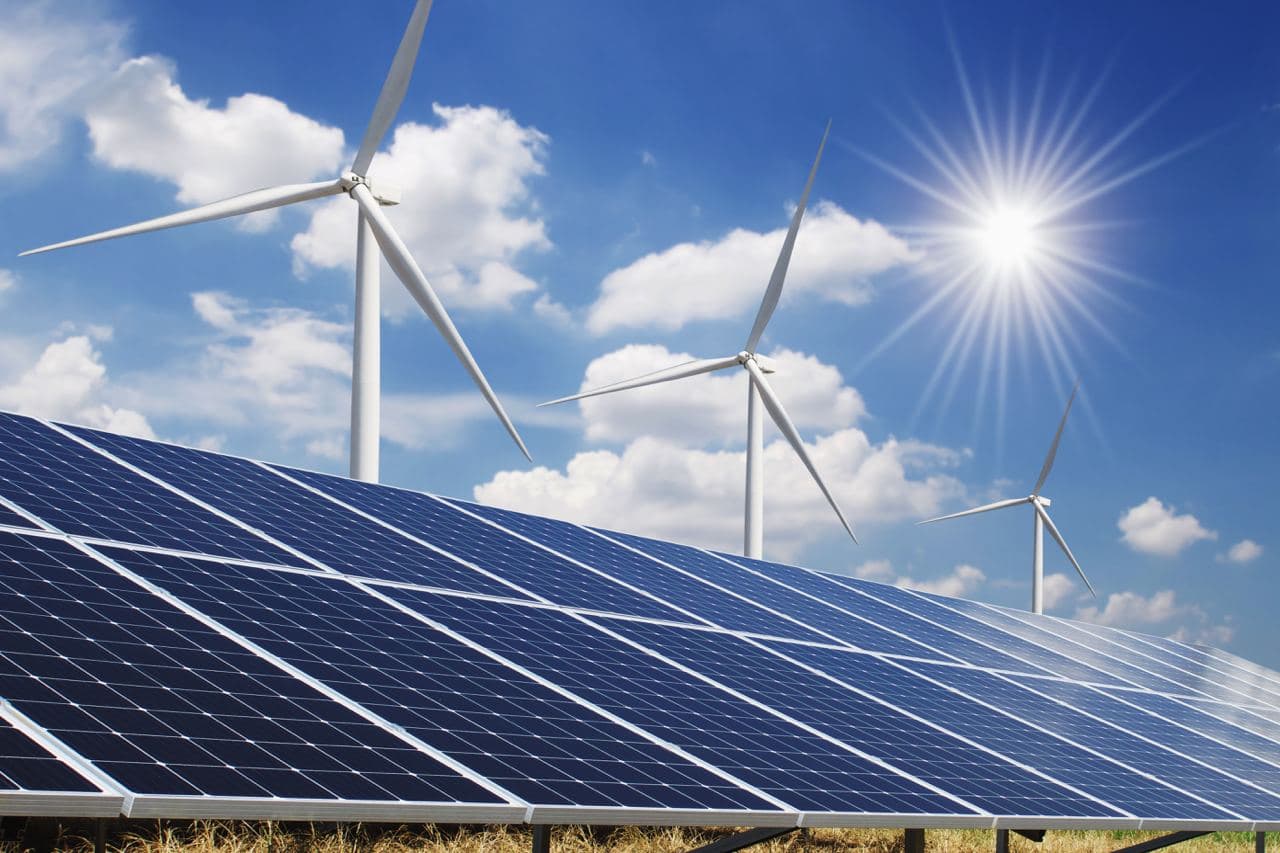
Renewable Energy
Renewable energy, often referred to as clean energy, comes from natural sources or processes that are constantly replenished. For example, sunlight or wind keep shining and blowing, even if their availability depends on time and weather. While renewable energy is often thought of as a new technology, harnessing nature’s power has long been used for heating, transportation, lighting, and more. Wind has powered boats to sail the seas and windmills to grind grain. The sun has provided warmth during the day and helped kindle fires to last into the evening. But over the past 500 years or so, humans increasingly turned to cheaper, dirtier energy sources such as coal and fracked gas.
Renewable energy can play an important role in reducing greenhouse gas emissions. Using renewable energy can reduce the use of fossil fuels, which are the largest sources of U.S. carbon dioxide emissions.
Solar Energy
Investment Opportunities
Ethiopia has abundant renewable energy resources and has the potential to generate over 60,000 megawatts (MW) of electric power from hydroelectric, wind, solar and geothermal sources. As a result of Ethiopia's rapid GDP growth over the previous decade, demand for electricity has been steadily increasing.
Ethiopia has abundant renewable energy resources and has the potential to generate over 60,000 megawatts (MW) of electric power from hydroelectric, wind, solar and geothermal sources. As a result of Ethiopia's rapid GDP growth over the previous decade, demand for electricity has been steadily increasing.
Improved government regulation for solar energy has made it more practical for investors to invest in this sector compared to 10 years ago when only international donors like UNICEF were allowed to produce and or distribute Photovoltaic cells (PV).
Wind Energy
Investment Opportunities
Ethiopia has good wind resources with velocities ranging from 7 to 9 m/s. Its wind energy potential is estimated to be 1,350 GW of electricity. The Ethiopian National Meteorological Services Agency (NMSA) began work on wind data collection in 1971 using some 39 recording stations located in selected locations. Ever since the establishment of these stations, wind velocity is measured and data made available to consumers. However, the number of stations established, quality of data (in terms of comprehensiveness) and the distribution of the stations leaves much to be desired.
Ethiopia is currently generating a total of 324 megawatts of electricity from three different wind farms. These are Adama Wind Farm which is generating 51 megawatts; Adama II and Ashegoda wind farms which are generating 153 megawatts each.


Norway
- J.A. Lippestads vei 5 1336 SANDVIKA
- +004 74 001 6882
- wennovate2021@gmail.com
Ethiopia
- Addis Ababa ,Bole, W. 05, House nr. 301.
- +251 967446447
- wennovate2021@gmail.com