
-
+251 96 744 6447, +004 74 001 6882
Mining
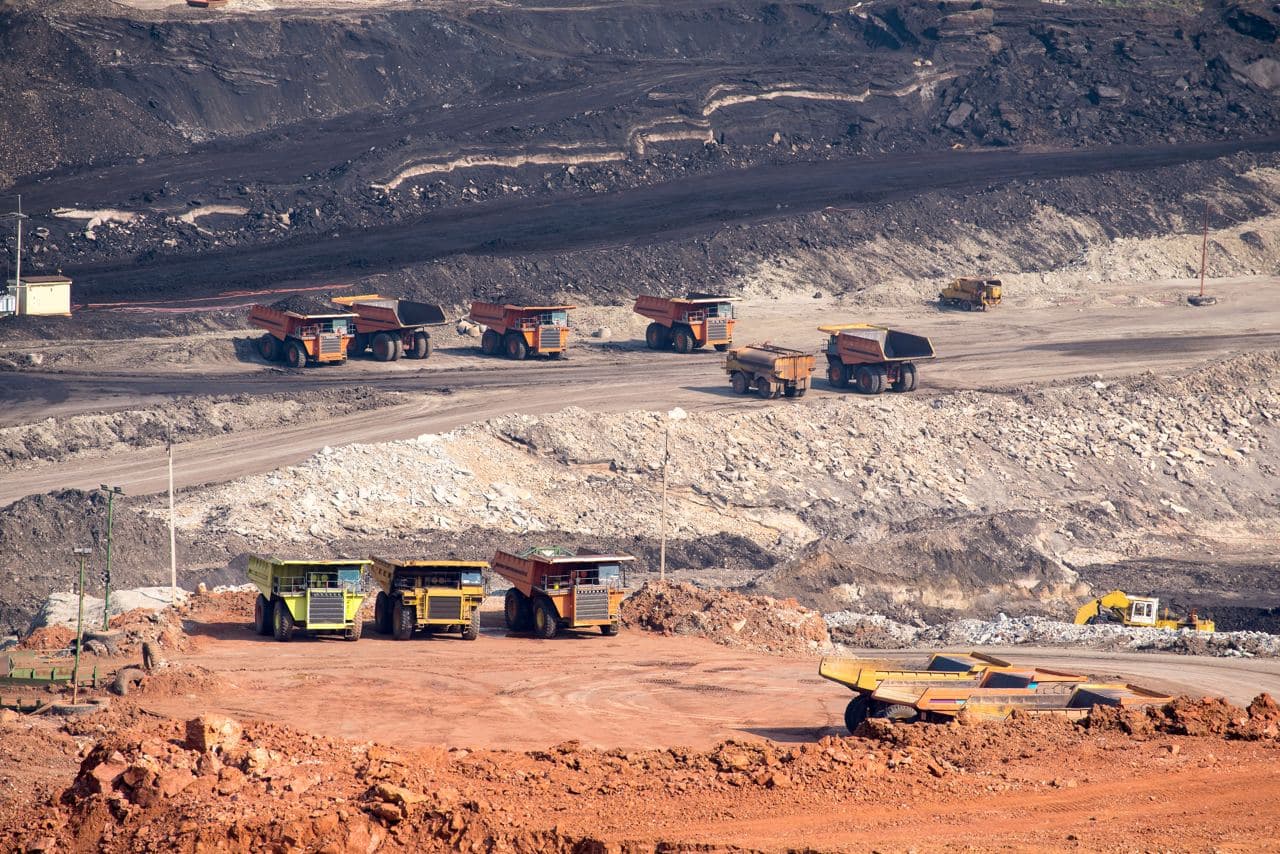
Mining is important to the economy of Ethiopia as a diversification from agriculture. Currently, mining comprises only 1% of GDP. Gold, gemstones (diamonds and sapphires), and industrial minerals are important commodities for the country's export-oriented growth strategy. Tantalum mining has also been profitable. It was reported that in the late 1980s, the mineral industry lacked importance given that it contributed less than 0.2 percent of Ethiopia's GDP. Mining for gold is a key development sector in the country. Gold export, which was just US$5 million in 2001, has recorded a large increase to US$505 million in just the first 10 months of the 2020/21 fiscal year.
Industrial Mineral
Investment Opportunities
Ethiopia is Strategically located in Eastern Africa with easy access to the lucrative markets of the Middle East, Europe and Asia, with a vast market opportunity to domestic, regional and international markets. Second largest domestic market in Africa with close to 110 million consumers, with access to markets of 19 member states of COMESA, common Market for Eastern and South Africa, with a population of over 400 million with a preferential tariff rate.
Exceptional climate due to location on highlands, half the country experiences average annual temperatures of 20°C to 30°C, has untapped natural resources and fertile soils, and sufficient surface and ground water resources.
Government policies encourage and support FDI, the government invests on infrastructure, telecommunications and other facilities, Industrial zones are being prepared with the necessary infrastructure and facilities. A one-stop-shop service is provided by the Ethiopian Investment Commission.
Ethiopia has an abundant, hardworking, disciplined and easily trainable workforce with cheap labor rates.
Gemstone
Investment Opportunities
Has a huge market Opportunity with a proven international and local market for commercial grade jewelry manufacturers, High end jewelers, Loose stone dealers, Collectors, Growing number of foreign tourists and local buyers. Addis Ababa is a center for a large number of diplomatic communities (AU, UNECA, close to 100 Embassies) arts and Crafts shops in Addis are importing tourist targeted jewelry from other countries.
Ethiopia as a country is known to have significant deposits of at least nine gemstones: opal; corndium, beryl, garnet, peridot, quartz species and tourmaline. Most recently emerald, the most prized beryl of all, has been discovered in quantity approximately 300 miles south of the capital, Addis Ababa, in the Seba Boru district.
As a labour intensive export industry, gemstone manufacturers consistently prove to be perfect investors in offshore economic zones. From Asia to Africa, free trade or export processing zones are increasingly attractive locations for low waged, labour intensive gemstone processing and jewellery manufacturing operations.
As a consequence of increased pressure to create a ‘climate for private investment’ in Africa the governments of gemstone producing countries have introduced a range of policies designed to encourage investment in mining and mining related industries. Urged on by international development financing institutions, the policy priorities of African governments have increasingly focused on removing the ‘constraints to a good business environment’ and offering an attractive regulatory environment to investors. Incentives include favourable tax regimes that offer exemptions from duties on imports, exports and profits; subsidised utilities and infrastructure; and guarantees of freedoms from state intervention and labour laws.


Norway
- J.A. Lippestads vei 5 1336 SANDVIKA
- +004 74 001 6882
- wennovate2021@gmail.com
Ethiopia
- Addis Ababa ,Bole, W. 05, House nr. 301.
- +251 967446447
- wennovate2021@gmail.com